
News / Blog

Optimizing School Readiness Through Bulk Audio Solutions for Temporary Learning Environments and Emergency Situations
Educational landscapes change often and without warning. Whether a school is in the middle of a long term renovation and students have to move into swing spaces or responding to an emergency facility issue like a burst pipe or power failure, maintaining instructional continuity is top of mind for administrators. In these temporary learning environments, the ability to quickly deploy technology is key. Among the most versatile and cost effective tools available to district tech directors are bulk
…
May 20, 2026

NEWS: Encore Data Products Reaches Milestone with 900 Verified Trustpilot Reviews
Encore Data Products, a leading supplier of audio and technology products for educational institutions and businesses, has reached a significant milestone with more than 900 verified customer reviews on Trustpilot, demonstrating sustained customer satisfaction and service excellence in the education technology sector.
The Lafayette, Colorado-based company has built its reputation by providing specialized audio equipment and AV technology solutions to schools, libraries, and businesses across the
…
Apr 24, 2026

Encore Data Products Expands Inventory of Budget-Friendly Disposable Headphones to Help Schools Prepare for Spring Standardized Testing
Encore Data Products, a leading provider of audio and technology solutions for schools, today announced increased availability of low cost headphones and earbuds starting at under two dollars per unit to help schools get ready for upcoming testing seasons. The Colorado-based company has boosted inventory of these affordable audio solutions to help districts manage tight budgets and ensure every student has access to reliable audio equipment for computer-based testing.
As schools across the count
…
Apr 22, 2026
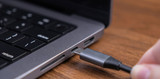
Why USB-C Headphones Are Becoming the New Standard in Schools
The landscape of educational technology is shifting rapidly as hardware manufacturers continue to design sleeker, more powerful devices. For over two decades, schools relied on the familiar 3.5mm headphone jack for audio connectivity. Today, as newer generations of Chromebooks, iPads, and laptops enter classrooms, that once-standard port is becoming less common especially on thinner, more modern devices.
This shift has left IT directors and school administrators at a crossroads, needing to ensur
…
Mar 31, 2026

Spring Testing Season: Why Classroom Headphones Are Key to Student Success
As the snow melts and the spring semester hits its stride, schools across the country enter one of the most intense periods of the academic year: spring testing season. Whether it’s state standardized tests, English language proficiency exams or end of year finals, these tests matter. While much of the focus during this time is on curriculum review and test taking strategies, the tools students use can be just as important to their success.
In the modern digital classroom, technology is no
…
Mar 31, 2026

NEWS: Encore Data Products Announces School Testing Headphone Solutions for Spring Assessments
Encore Data Products announces the availability of specialized audio equipment to support schools preparing for the spring standardized testing season, which begins in March and continues through May. The Lafayette, Colorado-based educational technology provider offers comprehensive headphone solutions designed specifically for state assessment requirements.
As Texas schools and districts nationwide prepare for STAAR and other standardized assessments, the demand for reliable testing equipment h
…
Mar 11, 2026
Spring Testing Season: Why Reliable Classroom Headphones Are Essential for Student Success
Spring Testing Season: Why Classroom Headphones Are Key to Student Success
As the snow melts and the spring semester hits its stride, schools across the country enter one of the most intense periods of the academic year: spring testing season. Whether it’s state standardized tests, English language proficiency exams or end of year finals, these tests matter. While much of the focus during this time is on curriculum review and test taking strategies, the tools students use can be just as im
…
Mar 09, 2026
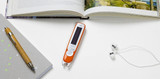
NEWS: Encore Data Products Expands Fluent Audio Line and Introduces C-Pen Technology for Enhanced Learning
Encore Data Products, a leading provider of educational technology and audio equipment, announces the expansion of its Fluent Audio product line alongside the introduction of C-Pen reading support technology to its comprehensive catalog of AV Technology for schools, libraries, and businesses.
The Colorado-based company has broadened its Fluent Audio offerings to meet growing demand for dependable communication tools in both educational and professional environments. Fluent Audio systems are wid
…
Mar 04, 2026

NEWS: Encore Data Products Announces School Testing Season Preparations for 2026 State Assessments
Encore Data Products, a leading provider of educational audio technology, announces comprehensive support for schools preparing for the 2026 state testing season, which begins in March and continues through May. The Colorado-based company emphasizes the importance of proper audio equipment preparation as districts across Texas and nationwide gear up for standardized assessments including STAAR testing.
With state testing dates now confirmed for 2026, educational institutions face the critical ta
…
Feb 23, 2026

Listening Fatigue in Learning Environments: Why Audio Duration and Design Matter More Than Volume
Headphones have become a normal part of the school day. From computer-based testing and language learning to virtual classes and instructional videos, many students now spend hours listening through personal audio devices. When schools talk about classroom headphones, the focus is usually on volume limits or noise reduction. But there’s another issue that often goes unnoticed: listening fatigue.
Listening fatigue doesn’t show up all at once. It builds slowly and can affect focus, com
…
Feb 04, 2026