
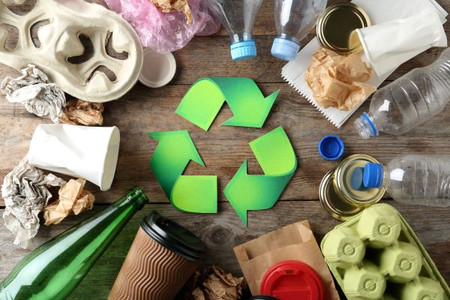
From Classroom to Recycling Bin: A Step-by-Step Lifecycle Walkthrough of Recyclable School Headphones
Recyclable school headphones are becoming an essential part of modern classroom technology, not only because they support digital learning, but because they offer schools a more responsible way to manage electronic waste. With thousands of students using audio equipment every year, districts are rethinking how headphones move through their buildings—from the moment they arrive in bulk shipments to the point when they can no longer be used. Understanding the full lifecycle of recyclable headphones helps districts make better purchasing decisions, reduce waste, and introduce students to the value of sustainable technology habits. What many people don’t realize is that the lifecycle of a recyclable classroom headphone is simple, practical, and environmentally significant.
It begins long before a student ever puts the headphones on. Manufacturers of recyclable school headphones use materials selected for their ability to be processed through existing recycling systems. Instead of relying on mixed plastics, heavy metals, or hard-to-separate components, recyclable models use purer plastics such as ABS or PET, simplified wiring, and modular components that can be separated more easily. Encore Data Products offers several headphones built with these materials, making them a more eco-friendly option for schools looking to purchase at scale. These design choices ensure that when the product reaches the end of its usable life, every part has somewhere to go in the recycling stream.
Once the headphones are produced, they arrive at the school ready for distribution. In many cases, they are individually packaged, labeled, and sorted so teachers and tech coordinators can distribute them efficiently. At this stage, the headphones begin their functional lifecycle in the classroom. Students use them for reading programs, multimedia lessons, language learning, testing, and interactive assignments. Because these headphones are often used across multiple grade levels and throughout the school year, durability matters. Recyclable models are constructed to withstand continuous use without compromising the ability to be recycled later, which is a key advantage over cheap single-use alternatives.
Throughout the school year, teachers and students follow simple care routines. Many recyclable headphones are designed to be easy to wipe down, sanitize, and store, which extends their usable life. Some schools implement small classroom systems—bins, cubbies, hooks, or labeled bags—to keep equipment organized and prevent unnecessary damage. The longer the headphones last, the more sustainable and cost-effective the cycle becomes. Even when minor issues arise, such as worn ear cushions or frayed cords, many recyclable models are built so that parts can be replaced rather than forcing disposal of the entire unit. This ability to swap out components adds months or even years to the product’s useful life. For programs that prioritize hygiene and structured replacement cycles, models such as the Soundnetic SN-313 Stereo Disposable Bulk School Headphones offer a practical classroom solution. Made from a mix of new and recycled plastics and featuring wipeable leatherette earpads, the SN-313 supports both cleanliness and responsible material use. Its universal 3.5mm plug ensures compatibility with laptops, tablets, and desktop computers commonly used in schools, making it easy for districts to manage large inventories while maintaining consistent, reliable audio performance.
Eventually, however, headphones reach a point where they no longer function well enough for classroom use. This is where the lifecycle becomes most important—and where recyclable headphones show their true value. Instead of throwing old headphones into general trash bins, schools can set up a simple recycling workflow. It often begins with teachers or tech coordinators collecting broken or worn-out units in a designated container. Some districts create “tech recycling days,” allowing students to participate in the process, creating hands-on learning moments about sustainability and environmental responsibility. Once enough units are collected, the school can either partner with a local e-waste recycling program or work with their district’s facilities department to transport the headphones to an approved recycling center.
At the recycling facility, the headphones undergo a sorting and dismantling process. Non-recyclable pieces are removed, but because the headphones were originally designed with recyclability in mind, most of the components can continue through the recycling system. Plastics are shredded and processed into pellets, metal wiring is separated and melted down, and foam components are sometimes repurposed into filler material or insulation. Through this process, the materials that once supported classroom learning take on a second life in new products, reducing the need for raw materials and lowering the total volume of waste schools send to landfills.
The lifecycle comes full circle when schools reorder new recyclable headphone models. By choosing equipment designed for responsible disposal, districts participate in a more sustainable purchasing pattern that benefits both students and the planet. Schools evaluating bulk headphone programs can explore long-term cost considerations and inventory planning strategies before placing large orders. The cycle reinforces environmental awareness in a way that students can observe firsthand: they use the headphones in learning, help collect them for recycling, and then see how sustainable choices contribute to a cleaner, less wasteful world. This ongoing process not only supports school-level eco initiatives but also aligns with community goals around conservation and responsible consumption.
Recyclable school headphones offer schools a practical, meaningful way to integrate sustainability into everyday learning environments. From the moment they arrive in the classroom to their final transformation at a recycling facility, these headphones demonstrate how districts can reduce waste, stretch budgets further, and model environmentally conscious behavior for students. Encore Data Products is proud to support schools with eco-friendly audio solutions that make responsible technology use both simple and accessible.
Recent Posts
-
Why USB-C Headphones Are Becoming the New Standard in Schools
The landscape of educational technology is shifting rapidly as hardware manufacturers continue to de …Mar 31, 2026 -

Spring Testing Season: Why Classroom Headphones Are Key to Student Success
As the snow melts and the spring semester hits its stride, schools across the country enter one of t …Mar 31, 2026 -

NEWS: Encore Data Products Announces School Testing Headphone Solutions for Spring Assessments
Encore Data Products announces the availability of specialized audio equipment to support schools pr …Mar 11, 2026