
Why USB-C Headphones Are Becoming the New Standard in Schools
The landscape of educational technology is shifting rapidly as hardware manufacturers continue to design sleeker, more powerful devices. For over two decades, schools relied on the familiar 3.5mm headphone jack for audio connectivity. Today, as newer generations of Chromebooks, iPads, and laptops enter classrooms, that once-standard port is becoming less common especially on thinner, more modern devices.
This shift has left IT directors and school administrators at a crossroads, needing to ensure their classroom accessories keep pace with evolving technology. Transitioning to USB-C is no longer just something forward-thinking districts are exploring; it is increasingly becoming part of everyday planning to make sure classroom tools remain compatible and ready for the future.
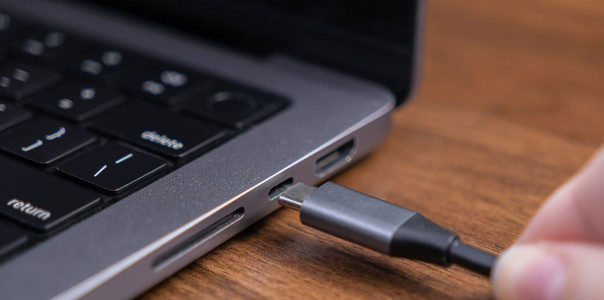
One of the main drivers behind this change is the push for universal connectivity. USB-C was designed to handle multiple functions through a single port, including power, data transfer, and audio. For students and teachers, this simplicity matters. The connector is reversible, which means students can plug it in either direction without fumbling or forcing the cable. In busy classrooms especially with younger learners this small design improvement can help reduce wear on devices and minimize frustration.
Reliability is especially important during high-stakes moments like standardized testing. Schools depend on equipment that works the first time, every time. USB-C connections provide a stable digital link between the device and the headset, helping ensure that audio and microphone functions perform consistently when students need them most. This is particularly important for districts using classroom sets of recyclable school headphones, where dependable performance and easy compatibility help protect both instructional time and technology budgets.
From a technical standpoint, USB-C headsets can also deliver consistent digital audio performance. Many models include a built-in digital-to-analog converter (DAC), which helps process sound directly within the headset rather than relying solely on the device’s internal components. This design can reduce interference and provide clear audio and dependable microphone input. For educators supporting literacy development, language learning, or speech-based assessments, clear sound quality plays an important role in helping students communicate and understand instructions.
Durability remains a top priority for school district purchasing teams who need their equipment to last through daily classroom use. In a typical K-12 environment, devices are plugged in and unplugged countless times throughout the school year. The solid, symmetrical shape of a USB-C connector is designed to handle frequent use, making it a practical choice for busy classrooms. When paired with durable, recyclable school headphones, schools can extend product lifecycles while also supporting sustainability initiatives and reducing long-term replacement costs.
The role of audio technology in standardized digital testing continues to grow. Many modern assessments require students to listen to instructions, respond verbally, or complete interactive tasks. When headsets function reliably, testing sessions run more smoothly for both students and staff. USB-C audio devices are typically plug-and-play, meaning they work immediately without complicated setup or additional software. This allows teachers and technology teams to spend less time troubleshooting and more time supporting student success.
As schools plan for the future, choosing compatible, dependable audio solutions is becoming an essential part of maintaining effective learning environments. USB-C is not replacing every connection overnight, but its growing presence in classrooms makes it a smart consideration for districts preparing for the next generation of devices. Investing in sustainable options like recyclable school headphones helps schools stay technologically prepared while also making responsible choices for their budgets and the environment.
Recent Posts
-
Why USB-C Headphones Are Becoming the New Standard in Schools
The landscape of educational technology is shifting rapidly as hardware manufacturers continue to de …Mar 31, 2026 -
Spring Testing Season: Why Classroom Headphones Are Key to Student Success
As the snow melts and the spring semester hits its stride, schools across the country enter one of t …Mar 31, 2026 -

NEWS: Encore Data Products Announces School Testing Headphone Solutions for Spring Assessments
Encore Data Products announces the availability of specialized audio equipment to support schools pr …Mar 11, 2026